What are the Differences Between SRC 4 and SRC Courier According to the New Regulations?
With the growth of e-commerce and the fast delivery sector, the Ministry of Transport and Infrastructure has made significant updates to transportation regulations. The most important of these updates is the official inclusion of motorcycle couriers, which had previously been in a gray area, under the scope of the Road Transport Regulation.
With this new regulation, two main certificates have emerged for those wanting to work in the transportation sector: the long-established SRC 4 and the newly introduced SRC Courier. So, which certificate is required for which vehicle, and what are the differences between these two?
1. What is the SRC 4 Certificate?
SRC 4 is the classic vocational qualification certificate required for drivers who transport goods, cargo, and freight within Turkey (domestic) using commercial vehicles with 4 or more wheels.
Vehicles Used: Light commercial vehicles (Transit, Doblo, Fiorino, etc.), panel vans, trucks, and semi-trucks.
Who Needs It: Drivers of delivery vehicles for traditional cargo companies, logistics firm drivers, haulers, and "vehicle-based couriers" for e-commerce companies.
2. What is the SRC Courier (Motorcycle Courier Certificate)?
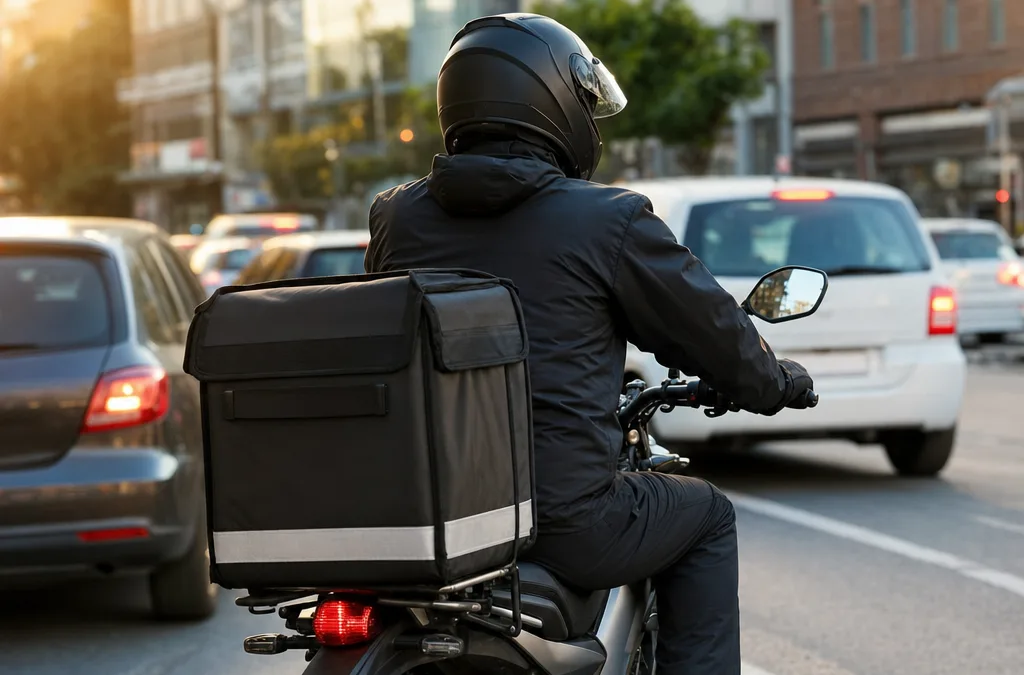
With the latest legislative change, motorcycle courier services are now under the supervision of the Ministry of Transport. The certificate that has become mandatory for motorcycle drivers working commercially as couriers or for courier companies is known in the market as the "SRC Courier" certificate.
Vehicles Used: Only two-wheeled motorcycles (or those with courier boxes).
Who Needs It: Couriers for food delivery platforms (Yemeksepeti, Getir, Trendyol Go, etc.), restaurant couriers, and all commercial drivers who deliver documents/packages by motorcycle.
Key Differences Between SRC 4 and SRC Courier Under Current Regulations
Although both certificates are mandatory in the transportation sector, they are completely distinct in terms of their purpose and regulations:
1. Vehicle Class Used
SRC 4: For 4-wheeled motor vehicles classified as light or heavy commercial, requiring a B, C, or CE class driver's license.
SRC Courier: For the following vehicles used for courier services and registered as "motorcycles" in traffic:
- Vehicles requiring an A1, A2, or A class license
- 50cc scooters
- Electric mopeds
- Electric bicycles
2. Nature and Capacity of Cargo
SRC 4: Covers high-volume and heavy commercial loads such as cargo boxes, wholesale products, furniture, and large appliances.
SRC Courier: Covers hot food, grocery orders, documents, and small-volume e-commerce packages (typically loads not exceeding 20-30 kg that fit in a motorcycle bag).
3. The New Registration System (U-ETDS) Introduced by the Legislation
- With the latest legislation, holders of both certificates are integrated into the Ministry of Transport's systems.
4. Examination and Certification Process
SRC 4: Theoretical training is received at courses approved by the Ministry of National Education (MEB), and the certificate is obtained after passing a written exam with a score of at least 60.
SRC Courier: In accordance with the new regulations, a theoretical exam is taken at authorized institutions (SRC courses). The training content includes the courier's control over the motorcycle, package handling, and driving safety.
Conclusion: Which Certificate Should You Get?
With the latest legislative changes, the government has now clearly distinguished between "those who transport cargo by vehicle" and "those who deliver packages by motorcycle."
If you plan to pursue a career behind the wheel of a panel van or light truck, your destination is SRC 4. However, if you want to work in the fast delivery sector, navigating city traffic on your motorcycle, the only legally required certificate is the SRC Courier. Thanks to this new regulation that prevents unregistered work, both professional groups now operate under legal assurance and standards.
Related Guides
Official Resources
For your questions, you can visit the SRC Guide contact page or write to us via WhatsApp_.